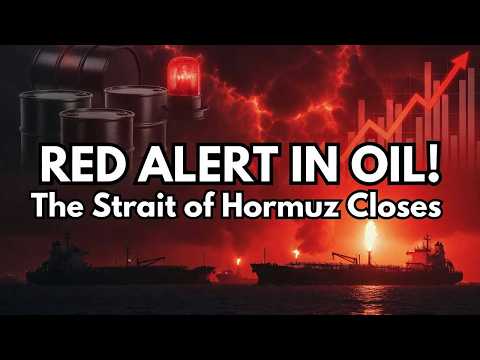
Closure of the Strait of Hormuz and Its Impact on Oil Prices
The partial closure and rising tensions in the Strait of Hormuz have triggered an immediate upheaval in global energy markets. Within hours, West Texas Intermediate (WTI) recorded significant gains, reflecting the serious risk facing maritime crude supplies. This article explains what has happened, why it matters for your portfolio, and what steps investors can take in the face of a possible scenario of higher prices and greater volatility. In concrete terms, the strait’s importance lies in its role as a route through which a substantial portion of global oil trade passes; any disruption there produces direct effects on prices, risk premiums and logistics chains. Below we break down the confirmed fact, provide context, assess the impact, collect official reactions, and explain what this means for users and traders.
Post content
Confirmed risk and immediate context
The confirmed fact is that naval operations around the Strait of Hormuz are seriously affected by incidents and restrictions, which have reduced the normal flow of crude. As context, the strait connects Gulf-producing fields with markets in Asia, Europe and the Americas; therefore, its functioning is essential for supply stability. Moreover, the market was already showing latent tensions due to production cuts and inventory adjustments, so the geopolitical shock now acts as a catalyst for abrupt price movements.Market and price impact
The immediate impact translates into increases in major oil benchmarks and a rise in the risk premium perceived by investors. At the same time, disruptions to shipping routes force costlier logistical substitutions, raise transport expenses and may put upward pressure on inflation in derived products. In financial markets, the breach of technical supports has accelerated flows toward defensive assets within the energy sector and has generated volatility that affects everything from global indices to individual portfolios.Official and market reactions
Authorities and major market players have issued statements and measures aimed at mitigating the impact, including naval monitoring and proposals for safe corridors. Meanwhile, financial institutions have recalibrated price forecasts in light of the possibility of constrained supply, while large funds seek shelter in companies with solid balance sheets and a history of dividends. These official and private reactions indicate that the scenario is not a momentary shock but a systemic risk adjustment.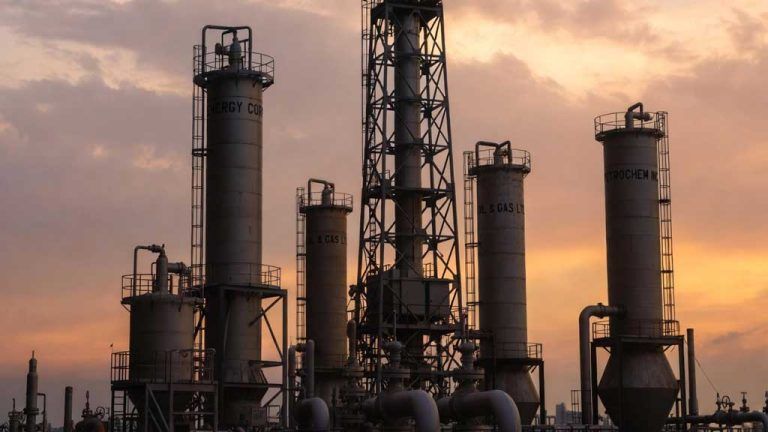
What this means for users and retail investors
For users and retail investors, the first implication is to recognize that volatility increases the risk of rapid losses if trading without protection. Therefore, risk management through stops, appropriate position sizing and diversification becomes critical. In addition, certain assets within the energy sector can function as temporary hedges: companies with stable cash flows and dividend policies often provide relative protection against rising crude prices. However, these strategies require an evaluation of time horizon and risk tolerance.Practical strategies to navigate the scenario
Given the possibility that crude may test new highs, investors should prioritize capital preservation:- First, review commodity exposure and adjust position sizes.
- Second, use limit orders and protection with stop-losses sensitive to intraday behavior to avoid being swept away by violent pullbacks.
- Third, consider defensive energy assets as a temporary complement in conservative portfolios. Finally, maintain liquidity to take advantage of entry opportunities after reasonable corrections.



Leave a Reply